
Has the AI Bubble Burst?

It’s been a brutal two days for AI stocks.
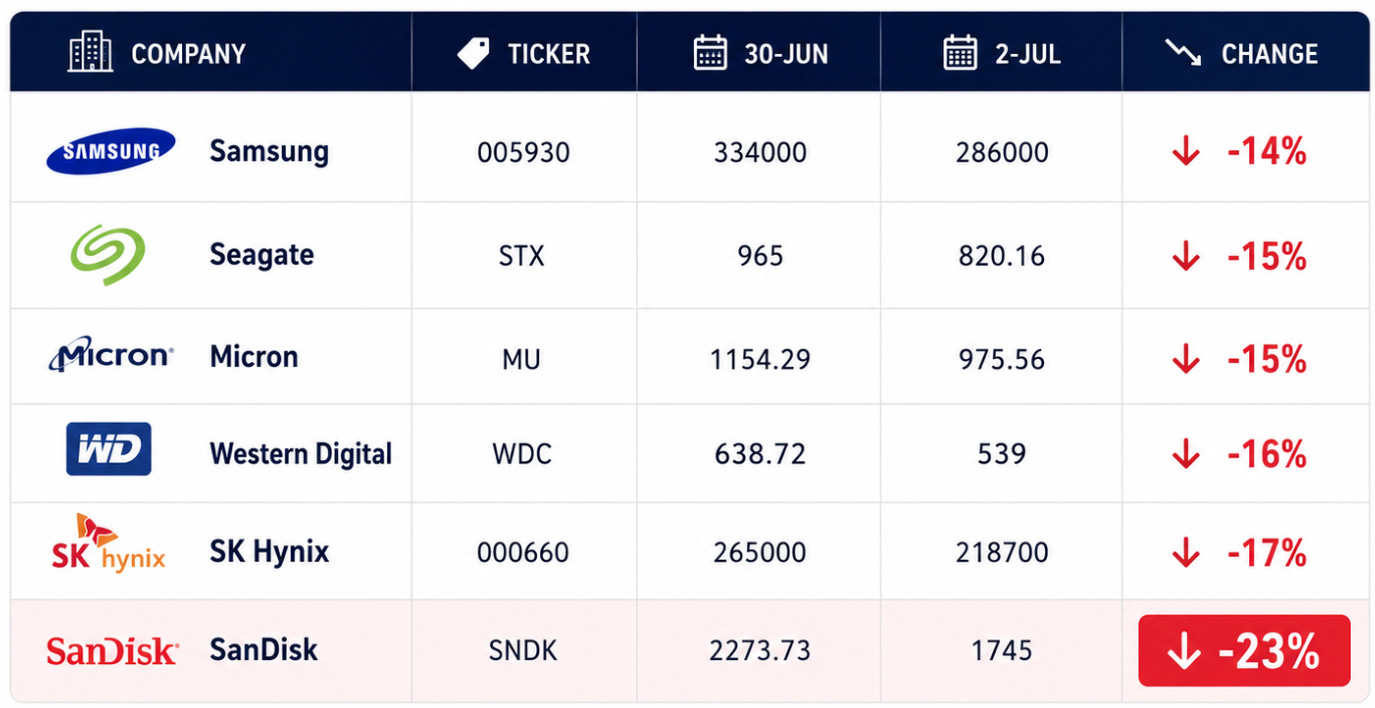
Start with the memory group, the biggest rally among AI related names. All were down more than 10% in just two sessions.
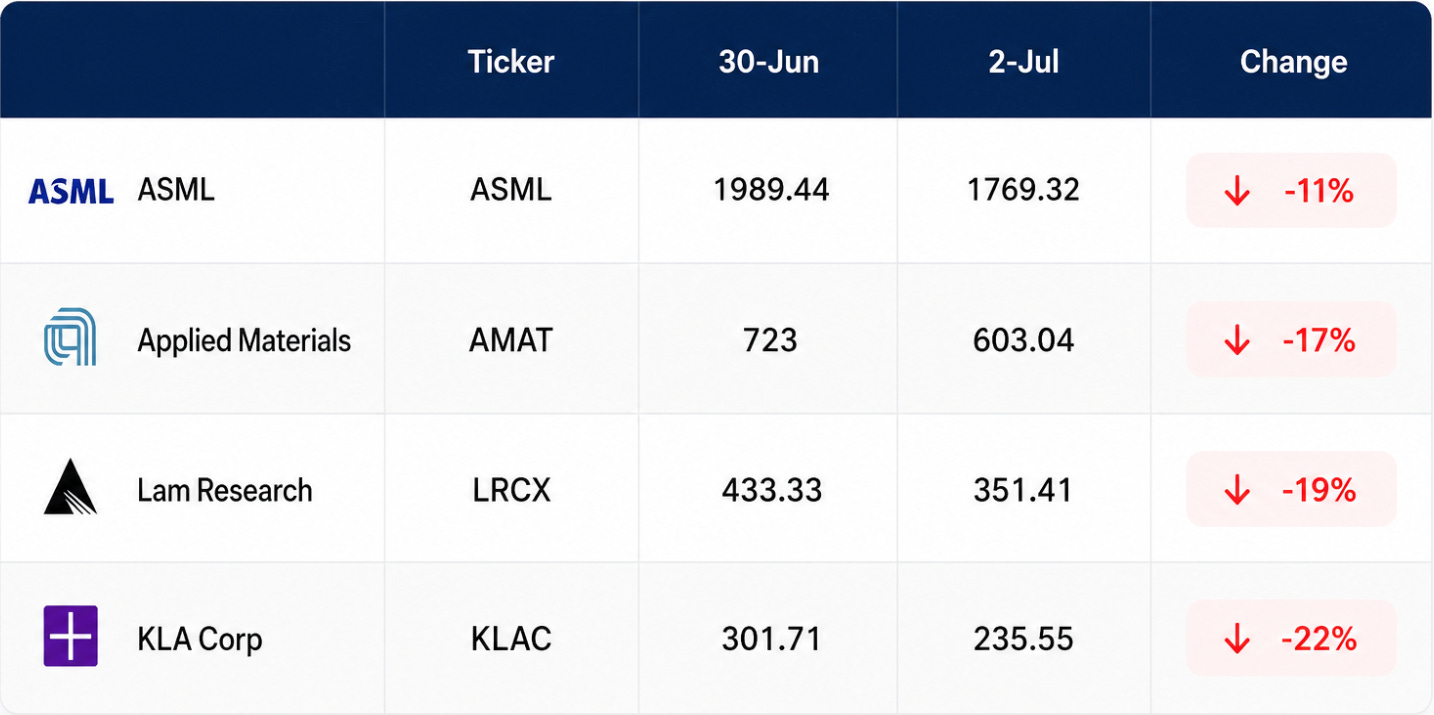
Semiconductor equipment makers fell just as hard.
Photonics too, got hammered.
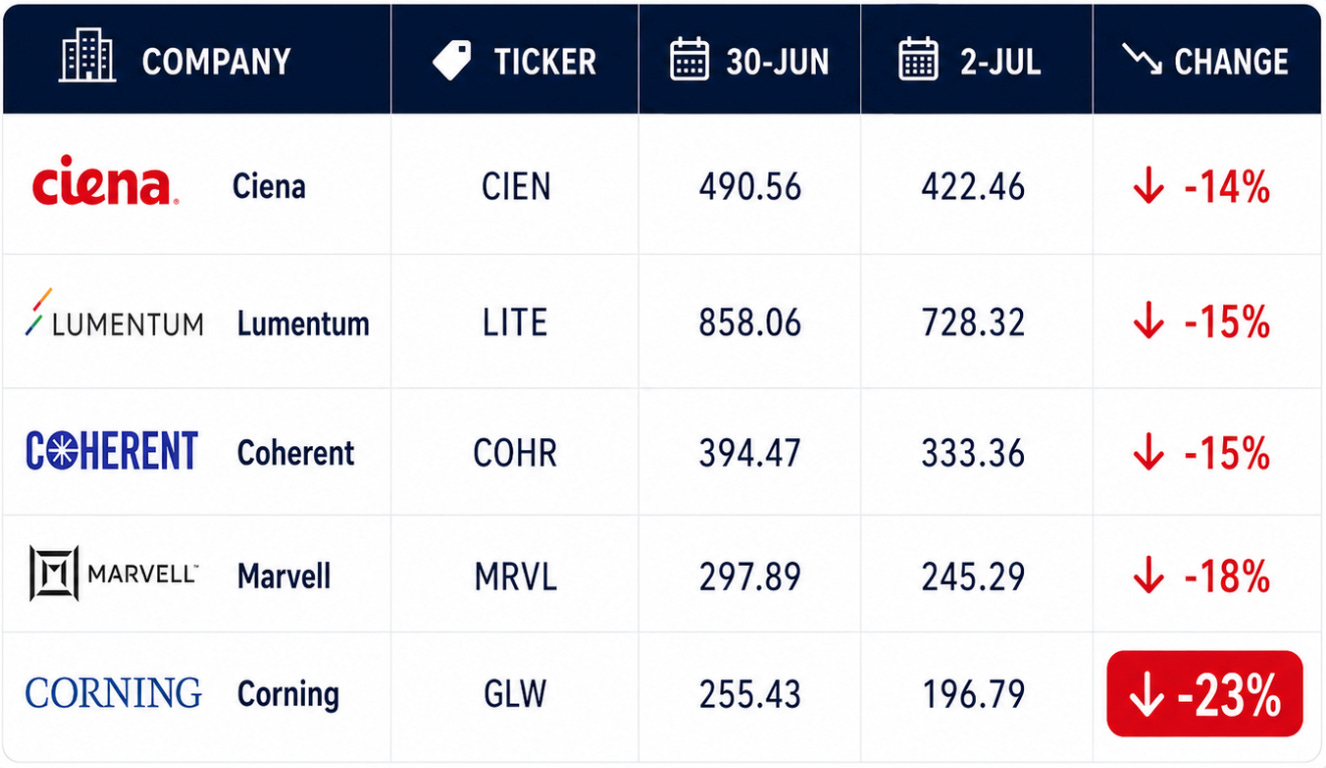
There was nowhere to hide. These stocks go up together. They come down together.
So what’s driving the fear this time?
The apparent trigger is AI overcapacity worries. In a surprising move, Meta wants to play hyperscaler like Amazon, Microsoft, and Google. It was reportedly looking to sell off excess AI compute. The market read that one way, too much AI infrastructure is being built.
But here’s the twist. Just days before Meta’s announcement, the Financial Times reported that Google had capped Meta’s access to its Gemini AI models, because Google couldn’t meet the demand coming from Meta. Both companies declined to comment.
So which is it?
Excess capacity, or a shortage?
Did Google catch wind of Meta’s plan to lease out its own compute and move to box out a new competitor?
Or are Meta’s models falling short, pushing it to lean on Google’s and others, while offloading its own capacity to defray costs?
We don’t actually know. And honestly, investors don’t care. These stocks have rallied so hard that they are now hypersensitive to any whiff of weaker demand. The moment demand looks shaky, the selloff follows.
Making things worse, investors have been piling on leverage.
U.S. margin debt, what investors borrow from brokerages to buy securities, jumped 54% year on year to a record $1.4 trillion in May, according to Finra data.
Leveraged ETFs tell the same story. Assets have been swelling, including single stock leveraged ETFs tracking individual AI names.
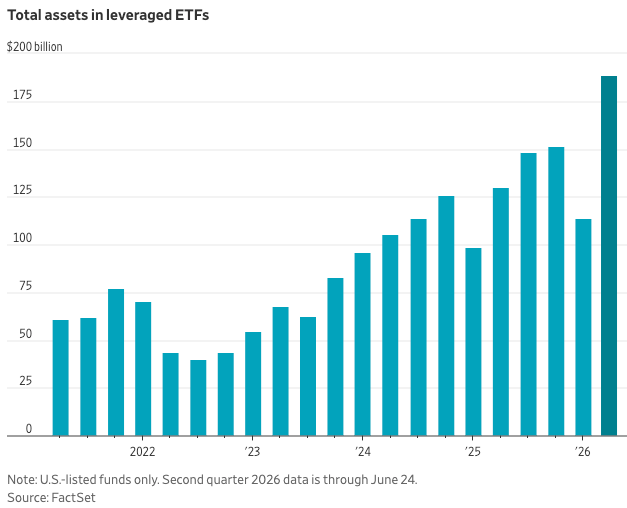
My take is that this looks more like a deleveraging exercise than a crash. Investors are trimming AI exposure, not abandoning the thesis. I don’t think this is 2000 all over again, yet.
Once the deleveraging plays out, these stocks should stabilize. And frankly, after nine straight weeks of gains and multi bagger moves packed into a short stretch, a breather was overdue. It’s just that the breather can look like a sharp, ugly pullback, the kind most investors aren’t prepared for.
The key reason I’m not sounding the alarm is that fundamentals still look solid and supply is still tight.
There’s no confirmation on why Meta is suddenly offering out cloud capacity, or whether “excess capacity” is even real. No other hyperscaler has reported anything similar.
But this is a spot worth watching. Hyperscalers have poured billions into building capacity. If we’re at the point where excess capacity is genuinely emerging, that signals overbuilding, which means demand for AI hardware could shrink, unwinding the entire AI stack narrative. That’s the point where the bubble actually bursts.
For now, though, there’s no evidence of that.